What I help with
Quit Smoking with Online Hypnotherapy
If you want to stop smoking but the habit keeps pulling you back, you are not short of willpower - you are up against cravings, triggers and routines built over years. Think Within offers personalised online hypnotherapy that works with those smoking habits rather than against them, one-to-one from home.
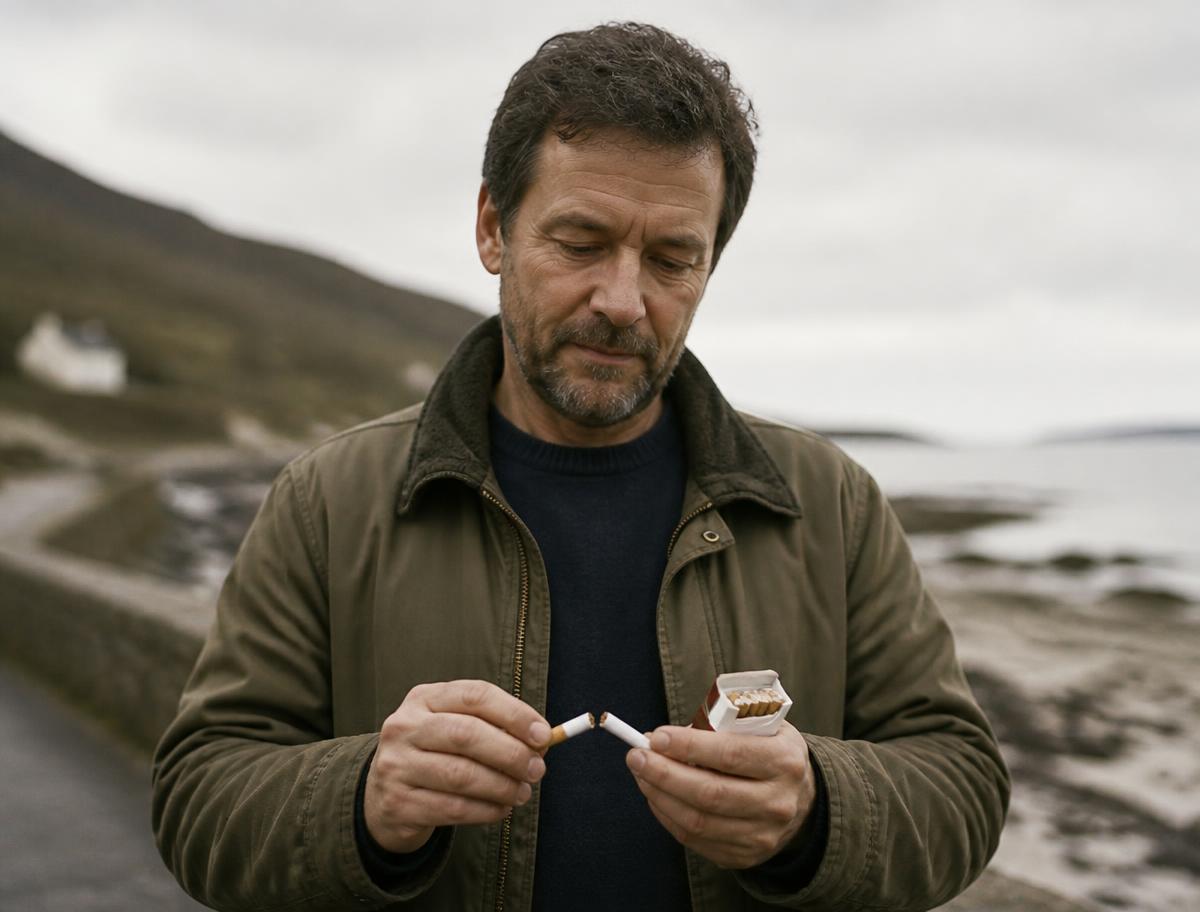
Why quitting smoking is harder than it looks
Almost everyone who smokes has already had the health conversation. Information is rarely the missing piece. What keeps the habit in place is a mix of nicotine dependence and everything that has been built around it: the first coffee, the drive to work, the ten minutes outside when a day gets heavy, the second drink with friends.
Stress and boredom do a lot of the work too. If a cigarette has been your way of changing how a moment feels, then stopping is not only about nicotine - it is about finding another way through those moments.
None of this makes you weak. Smoking is an automatic behaviour repeated tens of thousands of times, and automatic behaviours are stubborn by design. That is exactly where this work starts.
How to stop smoking: building a plan that fits you
There is no single method that works for everyone, and anyone telling you otherwise is selling something. Most successful attempts share a few ingredients:
- Set a quit date, far enough away to prepare and close enough to feel real.
- Map your triggers before the date - the times, places and feelings that reliably lead to a cigarette.
- Arrange behavioural support rather than relying on willpower alone.
- Consider nicotine replacement therapy - patches, gum, lozenges, spray or inhalator.
- Ask your GP or pharmacist whether a stop smoking medicine is appropriate for you.
- Use your free local NHS stop smoking service; it is one of the strongest sources of stop smoking help in the UK.
- Add hypnotherapy as optional complementary support if the habitual side is what trips you up.
Why is quitting so difficult?
Physical nicotine dependence
Nicotine changes what your body expects. When the level drops you can feel irritable, restless, foggy or hungry. This part is real, it is temporary, and it is the part that patches, gum and prescribed medicines are designed to help with.
Psychological habit
Smoking is repeated thousands of times until it stops being a decision. The hand moves before the thought arrives. Habits at that level do not respond well to arguments about health.
Environmental triggers
The car, the back step, the pub garden, the walk between meetings. Places and routines carry cues, which is why people often say they cope fine at work and struggle at home.
Emotional associations
If a cigarette has been your pause button for twenty years, stopping can feel like losing the only break in the day. That association matters more than most quit plans admit.
Smoking cravings: what helps in the moment
Nicotine cravings tend to arrive in waves. An individual craving usually peaks and passes within a few minutes whether you smoke or not, which is the single most useful thing to know when one hits. Nicotine withdrawal is generally strongest in the first week and eases from there, while the learned urges - coffee, car, break, pub - can turn up long afterwards because they belong to habit rather than nicotine.
Delay the response
Agree with yourself to wait five minutes. Most cravings do not survive the wait.
Change your environment
Step into a different room, walk to the end of the street, leave the smoking spot behind.
Distract hands and mouth
Water, gum, a task that needs both hands. The ritual is half the pull.
Breathe out slowly
Longer out-breaths than in-breaths for a minute. It is close to what smoking gave you, without the cigarette.
Name the trigger
Write down what set it off. Patterns show up quickly and can then be planned for.
Replace the routine
Give the break a new shape rather than removing it. A walk, a phone call, a coffee somewhere else.
If cravings are consistently overwhelming, speak to a pharmacist or your local NHS stop smoking service about nicotine replacement or medicines. That is not a failure of resolve - it is using the right tool.
How to stop smoking when you are stressed
Most people who smoke describe cigarettes as relaxing. What is usually happening is narrower than that: the withdrawal that builds between cigarettes feels like tension, and smoking relieves it. On top of that sits a genuine pause - stepping outside, breathing deliberately, stopping work for five minutes.
Your brain is very good at learning pairs. Stress and a cigarette. Coffee and a cigarette. A drink, a drive, the end of a shift. Repeat any pair often enough and the first half starts calling for the second before you have decided anything.
Changing those learned associations is a large part of stopping for good, and it is where Think Within focuses. Rather than asking you to white-knuckle your way through the moments that used to mean a cigarette, sessions work on what those moments trigger - and what could sit there instead. If stress itself is the bigger picture, hypnotherapy for anxiety and stress may be the better starting point.
What happens when you stop smoking?
Within the first day
Carbon monoxide begins clearing from your blood and oxygen levels start returning to normal, according to NHS guidance.
The first few days
Withdrawal is usually at its strongest. Irritability, restlessness and strong urges are common, and they pass.
The first week
Taste and smell often begin to sharpen. Cravings become less frequent, though situational urges continue.
The first few weeks
Breathing and circulation improve, and physical activity tends to feel easier. Many people notice coughing settles.
Longer term
Over months and years, the NHS reports reducing risks of heart disease, stroke and several cancers, alongside the money you no longer spend.
Health information on this page follows NHS Better Health stop smoking guidance. Timings vary between people.
How can hypnotherapy help with quitting smoking?
Stop smoking hypnotherapy is designed to work with the automatic side of the habit - the part that reaches for a cigarette before you have consciously decided anything. You stay awake, aware and in control throughout; hypnosis here means focused attention and deep relaxation, not sleep or loss of control.
Curious what the experience is actually like? What does hypnosis actually feel like? and why willpower alone rarely changes a habit cover it in plain English.
Does hypnotherapy work for stopping smoking?
An honest answer matters more here than a persuasive one. Research into hypnotherapy for smoking cessation has produced mixed results, and reviews of the available trials have generally concluded that the evidence is not strong or consistent enough to say hypnotherapy is more effective than other stop smoking approaches. Anyone quoting you a success rate should be treated with caution.
What Think Within offers is personalised behavioural and psychological support: a one-to-one online session built around your smoking pattern, your triggers and your reasons - not a script. People who tend to find it useful are those who already want to stop, who have stopped before and been caught out by habit rather than nicotine, and who want support that works on mindset alongside any medical help they are using.
If you would rather start with free NHS stop smoking support, that is a good decision, and hypnotherapy can still sit alongside it later.
What happens during an online session?
- 01
Book a free consultation or an online session at a time that suits you.
- 02
You receive confirmation and simple joining instructions - no apps to learn.
- 03
Join from a private, comfortable place where you will not be interrupted.
- 04
We talk through your smoking pattern, your triggers and what stopping would mean.
- 05
The hypnotherapy session itself: relaxed, focused, and built around your situation.
- 06
You finish with practical guidance for the days and situations that follow.
More detail on the practicalities is on the how online hypnotherapy works page.
Stop smoking hypnotherapy FAQs
Ready when you are
Ready to Make a Change?
Private online sessions from the comfort of home, personalised to your smoking habits, triggers and mindset. Book your online hypnotherapy session, or get in touch first if you would rather ask a few questions.